Turtle Island
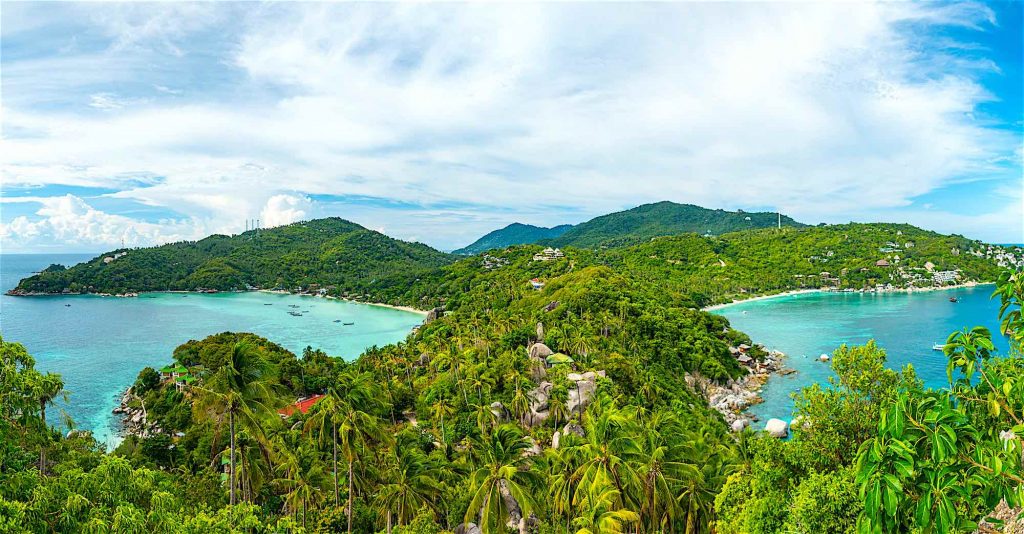
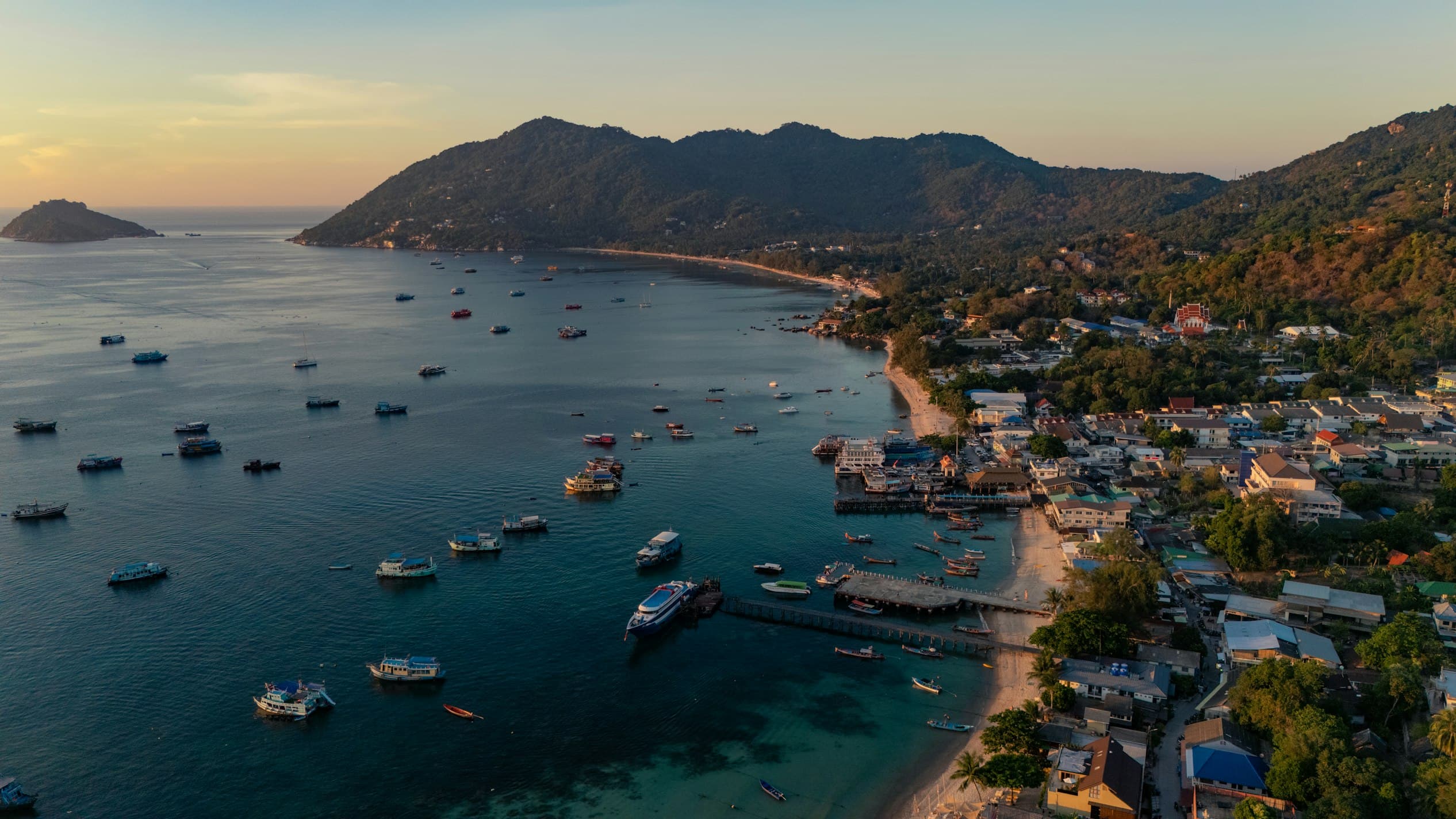
Koh Tao — meaning “Turtle Island” in Thai — is a small, rugged island in the western Gulf of Thailand, roughly 70 kilometres from the mainland coast of Chumphon province. Covering just 21 square kilometres, it is the smallest of the Samui archipelago’s three inhabited islands, a fraction of the size of neighbouring Koh Phangan and Koh Samui.
The island takes its name from the green and hawksbill turtles that have nested on its beaches for centuries. Ringed by granite boulders, coral reefs, and secluded coves, Koh Tao remained virtually unknown to the outside world until the late twentieth century.
The Prison Years
In the aftermath of the 1932 Siamese revolution, the new government sought remote locations to detain political prisoners. Koh Tao’s isolation — days from the mainland by boat, with no fresh-water supply and surrounded by strong currents — made it an ideal open-air prison.
Political detainees were sent to the island throughout the 1930s and 1940s. Conditions were harsh: prisoners grew their own food, fished to survive, and endured monsoon storms with minimal shelter. In 1947, following a general amnesty, the remaining prisoners were pardoned and the island was officially abandoned as a penal site.
First Settlers
In 1947, twin brothers Ta Euam and Ta Oh from the neighbouring island of Koh Samui sailed across and became Koh Tao’s first permanent residents, settling at Sairee Beach on the western coast. They planted coconut groves, cultivated small plots, and fished the surrounding waters.
For the next three decades, Koh Tao remained a quiet fishing and farming community of a few dozen families, connected to the outside world only by the occasional cargo boat.
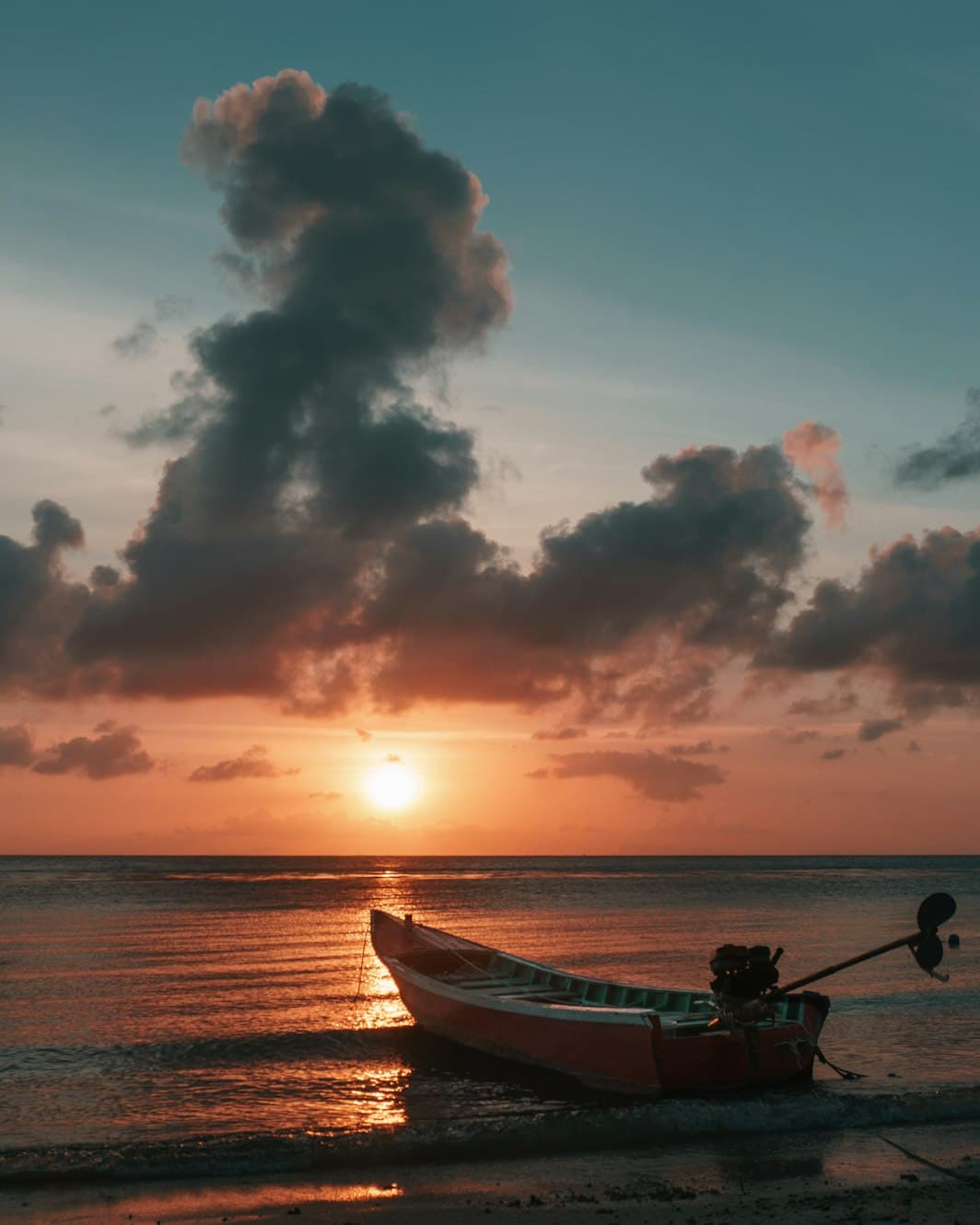
“From political prison to paradise — Koh Tao’s story is one of the most remarkable transformations in Southeast Asian history.
The Backpacker Era
By the early 1980s, adventurous travellers exploring the Gulf of Thailand beyond Koh Samui began arriving on Koh Tao. With the introduction of regular ferry connections from Chumphon and Surat Thani, a handful of simple beach bungalows appeared along Sairee and Chalok Baan Kao beaches.
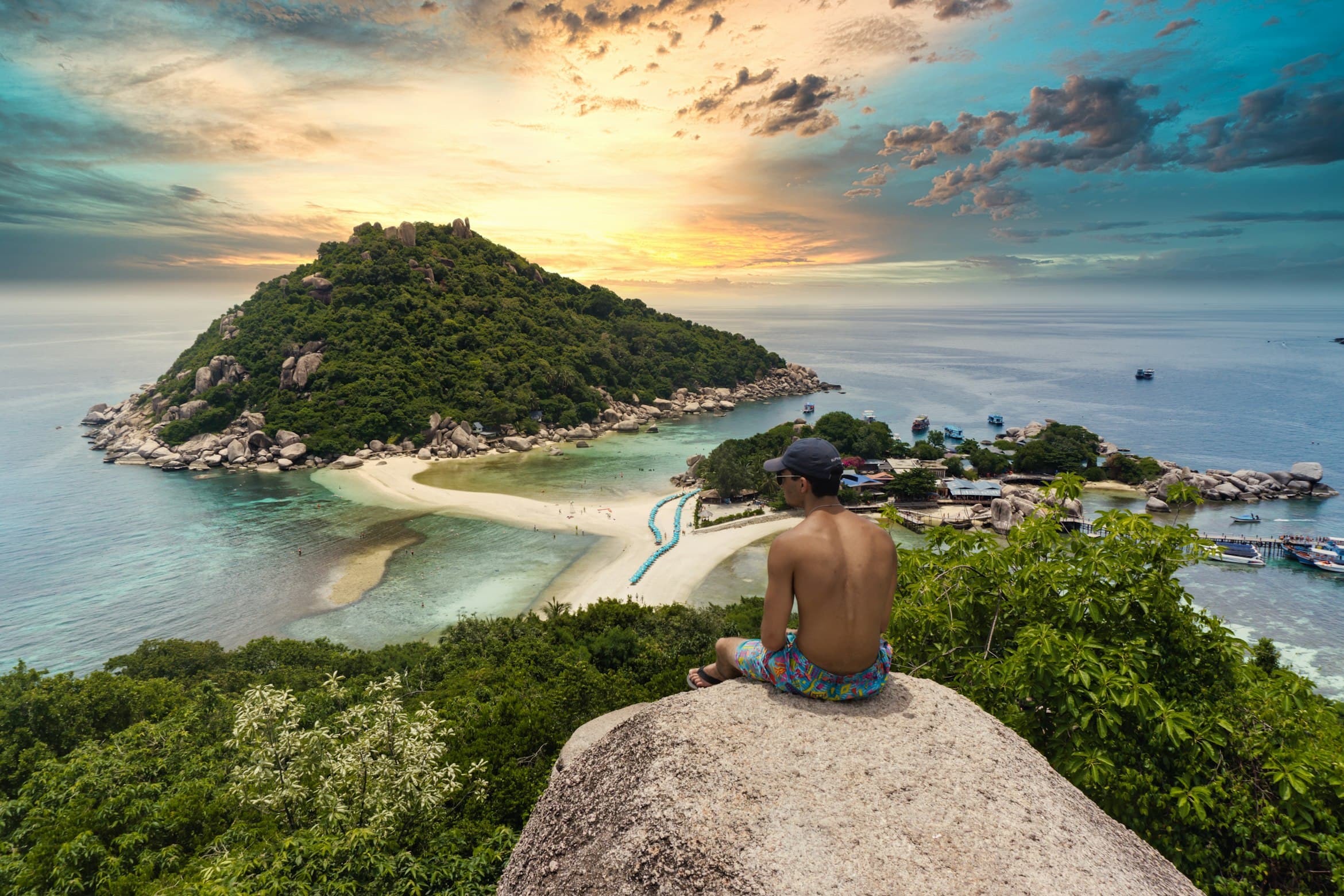
Word spread through the backpacker trail: a pristine island with crystal-clear water, spectacular snorkelling, and almost no development. By the end of the decade, Koh Tao had earned a devoted following among those seeking a more remote, authentic Thai island experience.
Birth of Diving
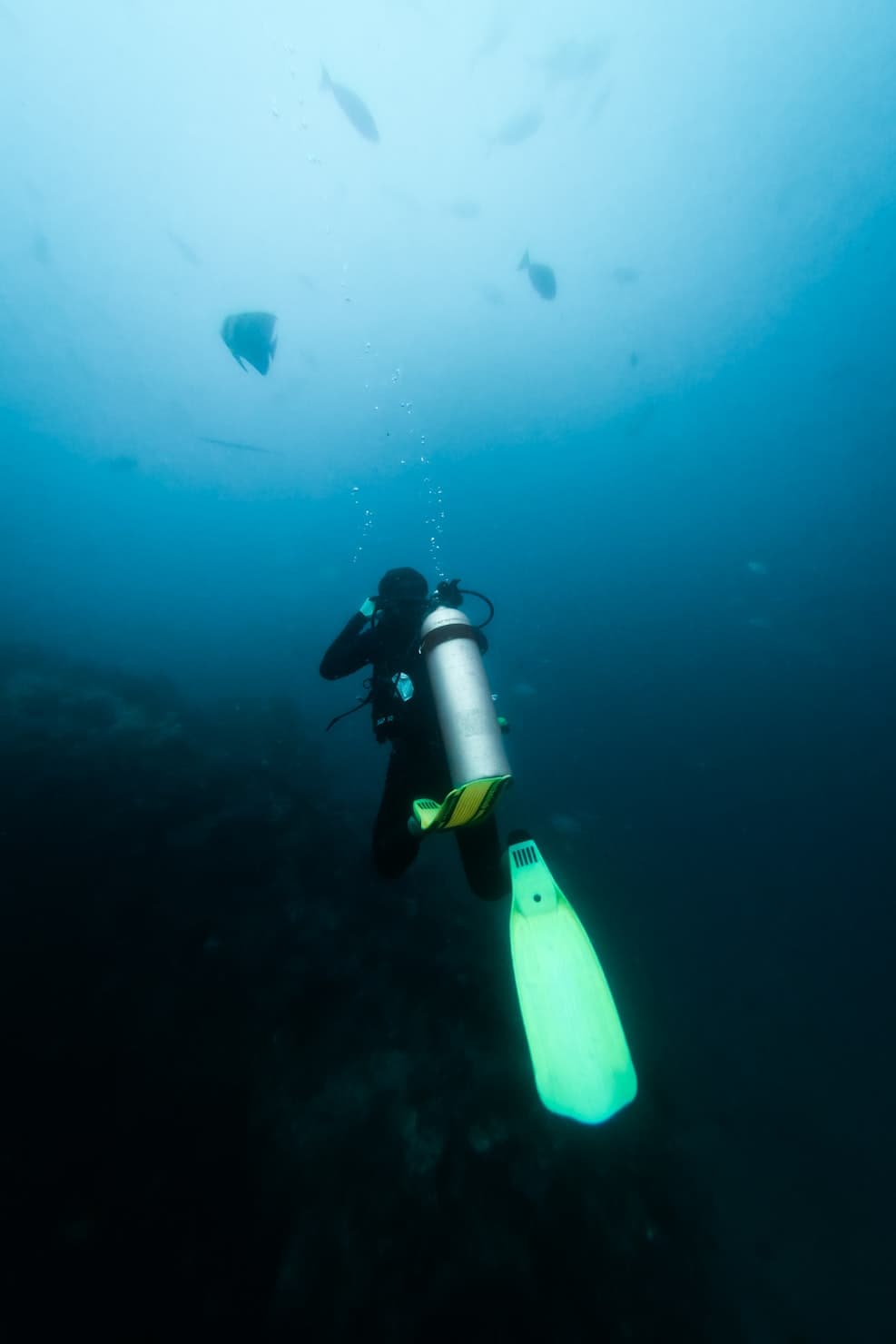
The turning point in Koh Tao’s history came when Italian diver Cesare Benelli began bringing divers over from Koh Samui for overnight diving trips. He discovered three submerged rock pinnacles off the northern coast and — in a nod to his homeland — named them Red Rock, White Rock, and Green Rock after the colours of the Italian flag.
Benelli established the island’s first dive centre, and within a few years Koh Tao had become a serious diving destination. The warm, calm waters, extraordinary visibility, and abundant marine life proved ideal for both training new divers and thrilling experienced ones. Today, Koh Tao certifies more divers per year than almost anywhere else on earth.
Koh Tao Today
Modern Koh Tao is a vibrant tropical island that has evolved far beyond its backpacker roots. Over 80 registered dive centres operate around the island, and its coral reefs are home to whale sharks, bull sharks, barracuda, sea turtles, and an extraordinary diversity of tropical fish.
The island has embraced conservation — community-led reef restoration projects, turtle hatcheries, and marine protected zones have helped preserve its extraordinary underwater world. On land, a growing community of restaurants, wellness centres, and boutique properties caters to travellers seeking both adventure and tranquillity.
Experience Koh Tao from The Fisherman’s Villas
Discover the island’s underwater wonders and above-water beauty from our private cape between two beaches.